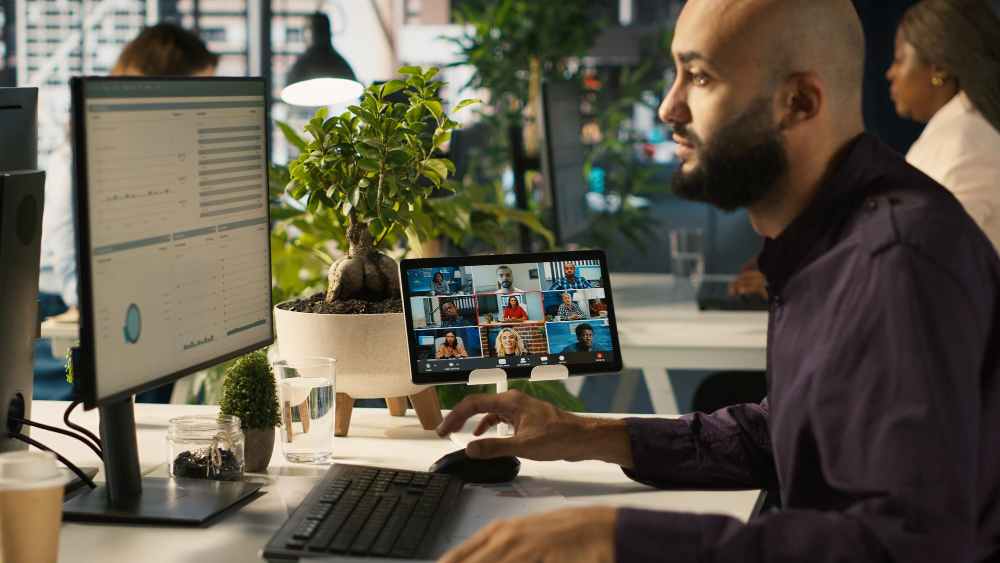
The workplace landscape has undergone a profound transformation over the past few years. Remote and hybrid work models have evolved from temporary solutions into permanent fixtures of modern business operations. Organizations that successfully navigate this transition are discovering new opportunities for talent acquisition, cost optimization, and employee satisfaction.
However, managing distributed teams presents unique challenges that traditional management approaches often fail to address. The absence of physical proximity requires deliberate strategies for communication, collaboration, and culture building. Leaders must reimagine how they foster team cohesion, maintain productivity, and ensure employee wellbeing when team members are scattered across different locations and time zones.
Building Strong Remote Cultures
Creating a cohesive team culture without a shared physical space demands intentional effort. Leading organizations are discovering that culture in remote environments is not simply about virtual happy hours or occasional team retreats. It requires embedding values and practices into daily workflows and interactions.
Successful remote cultures prioritize transparency. When team members cannot observe work happening around them, explicit communication becomes essential. This means documenting decisions, sharing progress openly, and creating channels where information flows freely across the organization. Companies like GitLab and Automattic have demonstrated that radical transparency can actually strengthen culture by building trust and reducing information asymmetry.
Regular asynchronous communication supplements real-time interactions. Rather than relying solely on video calls, high-performing remote teams leverage written communication through detailed project updates, comprehensive documentation, and threaded discussions. This approach not only accommodates different time zones but also creates a searchable record of decisions and context.
Optimizing Communication Patterns
The shift to remote work has revealed inefficiencies in traditional communication patterns. Many organizations discovered they were holding too many meetings that could have been emails, or conducting synchronous discussions that would benefit from asynchronous formats.
Effective remote teams establish clear protocols about when to use different communication channels. Quick questions might go through instant messaging, project updates through dedicated threads, complex discussions through video calls, and strategic planning through collaborative documents. This intentional channel selection reduces communication overhead while ensuring important discussions receive appropriate attention.
Time zone management becomes a critical consideration for globally distributed teams. Rather than forcing everyone into inconvenient synchronous meetings, progressive organizations are adopting follow-the-sun workflows where work passes between time zones, and asynchronous updates keep everyone informed. This approach maximizes productivity while respecting work-life boundaries.
Maintaining Productivity and Accountability
Concerns about remote work productivity have largely proven unfounded. Multiple studies indicate that remote workers often demonstrate higher productivity than their office-based counterparts. However, maintaining this productivity requires thoughtful systems and trust-based management approaches.
Outcome-focused management replaces presence-based evaluation. Rather than measuring hours worked or activity levels, effective remote managers focus on results achieved and value created. This shift requires clear goal setting, regular progress reviews, and honest conversations about obstacles and support needs.
Providing the right tools and resources becomes paramount. Remote workers need reliable technology, comfortable workspaces, and access to the same information and resources as their office-based colleagues. Forward-thinking companies offer stipends for home office equipment, reliable collaboration tools, and comprehensive digital resource libraries.
Supporting Employee Wellbeing
Remote work blurs the boundaries between professional and personal life, creating both opportunities and challenges for employee wellbeing. Without commutes and rigid office hours, employees gain flexibility. However, they also risk burnout when work never truly ends.
Successful organizations actively promote healthy work-life integration. This includes encouraging employees to set boundaries, modeling healthy behaviors at leadership levels, and creating policies that protect personal time. Some companies establish core collaboration hours while leaving other times flexible, or implement no-meeting days to provide focused work time.
Social connection requires intentional cultivation in remote environments. Beyond work-related interactions, teams need opportunities for casual conversation and personal connection. Virtual coffee chats, online games, book clubs, and interest-based channels help recreate the social fabric that naturally emerges in physical offices.
The Path Forward
The future of work is not simply remote versus office. Most organizations are discovering that hybrid models offer the best of both worlds, combining the flexibility and focus of remote work with the collaboration and connection of in-person time. The key is being intentional about when and why teams come together physically.
Organizations that thrive in this new landscape share common characteristics: they prioritize outcomes over presence, invest in tools and infrastructure, trust their employees, communicate transparently, and continuously adapt their approaches based on feedback and results.
The transformation of work represents both a challenge and an opportunity. By embracing new ways of working and learning from leading examples, organizations can build more flexible, productive, and fulfilling work environments for the modern era.
Key Takeaways
- Remote culture requires intentional effort and transparency
- Communication patterns must be optimized for asynchronous work
- Focus on outcomes rather than presence or activity
- Actively support employee wellbeing and work-life integration
- Hybrid models combine the benefits of remote and office work